
The 6-Pillar AI Readiness Framework Every Enterprise Needs
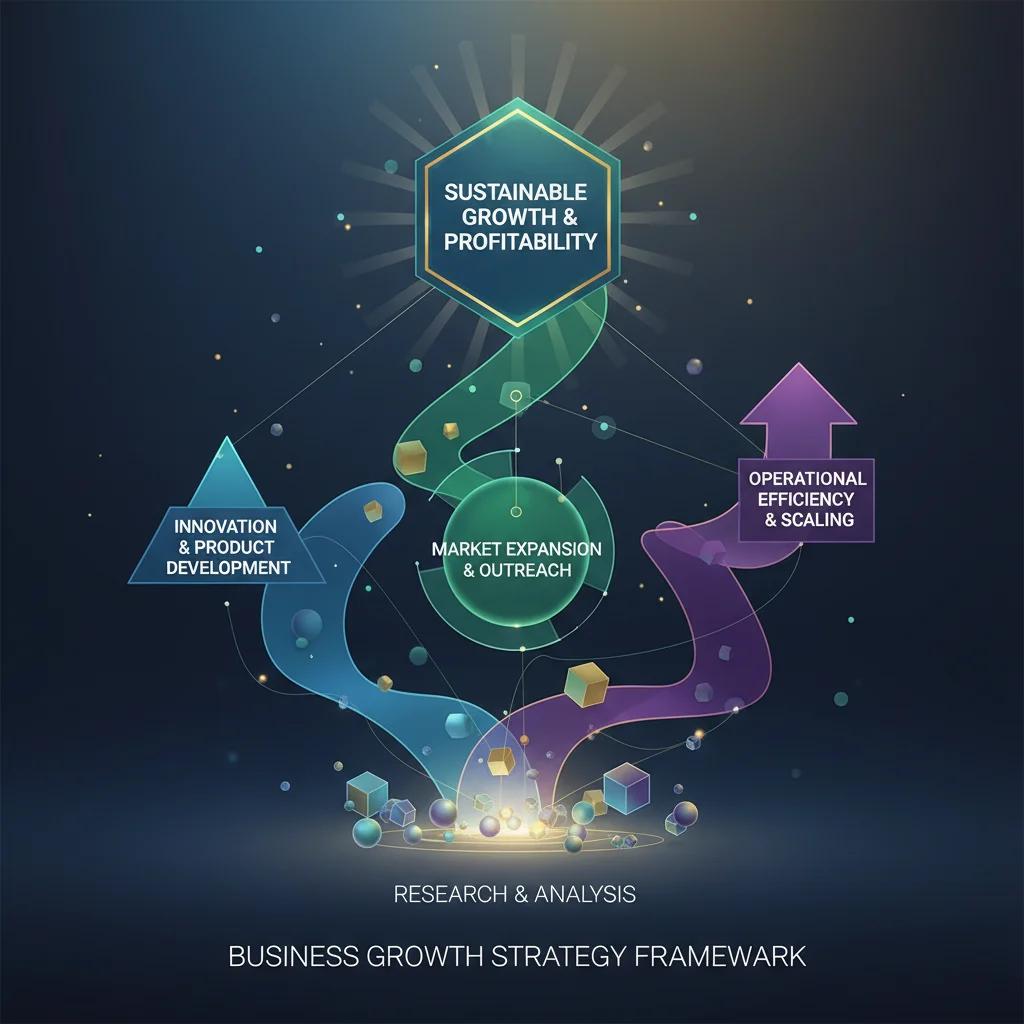
Where does your organization stand on AI? These 6 pillars determine whether your AI investment will succeed or fail—and most companies can't answer honestly.
The Honest Question Nobody Wants to Ask
Here's a question every board should be asking but few can honestly answer: "Are we actually ready for AI?"
Not "do we have an AI strategy?"—everyone claims to. Not "are we using AI?"—most are, in some limited form. But truly ready—prepared to derive sustained business value from AI investments, with the infrastructure, talent, and governance to scale?
The honest answer for most organizations is: they don't know. And that's a problem. Because AI investments without readiness are just expensive experiments.
We've developed the 6-Pillar AI Readiness Framework to provide an honest assessment. It's the same framework we use in our comprehensive AI Health Assessment—and it reveals where organizations truly stand.
The Six Pillars
Pillar 1: Strategy & Vision (20%)
This is where AI transformation begins—or fails to begin.
What we evaluate:
- Is there a clear AI strategy aligned with business objectives?
- Does executive leadership truly understand and champion AI?
- Is there a realistic roadmap with milestones and accountability?
- Are business outcomes defined, not just technology goals?
Warning signs:
- AI strategy exists but wasn't developed by business leaders
- No clear success metrics for AI initiatives
- Strategy focuses on "keeping up" rather than competitive advantage
Pillar 2: Data Foundation (20%)
AI is only as good as the data it's built on. And in most organizations, data is a mess.
What we evaluate:
- Is there a coherent data strategy?
- Is data accessible to those who need it?
- Is data quality sufficient for AI applications?
- Are there proper data governance mechanisms?
Warning signs:
- Multiple data silos that don't communicate
- No clear ownership of critical data assets
- Quality issues that nobody has measured
Pillar 3: Technology Infrastructure (15%)
Can your systems actually support AI at scale?
What we evaluate:
- Is your cloud infrastructure ready for AI workloads?
- Do you have the right AI/ML platforms and tools?
- Can systems integrate with AI solutions?
- Is security adequate for AI-specific risks?
Warning signs:
- Legacy systems that can't integrate with modern AI
- No clear architecture for AI deployment
- Security hasn't been considered for AI-specific threats
Pillar 4: Human Capital & Skills (20%)
Technology is useless without people who can use it.
What we evaluate:
- Do you have AI talent (or a plan to acquire it)?
- Is the broader organization AI-literate?
- Is there a culture that embraces (not fears) AI?
- Are you planning for workforce transformation?
Warning signs:
- All AI work outsourced; no internal capability
- No training programs for existing employees
- Resistance to AI that leadership hasn't addressed
Pillar 5: Governance, Ethics & Risk (10%)
AI at scale requires robust governance.
What we evaluate:
- Do you have an AI governance framework?
- Are there clear ethical guidelines for AI use?
- Is there a risk management approach for AI?
- Are you prepared for regulatory compliance?
Warning signs:
- No consideration of AI-specific risks
- Using customer data without clear consent frameworks
- No plan for when AI makes a mistake
Pillar 6: Use Cases & Value Realization (15%)
Finally—do you know where AI will actually create value?
What we evaluate:
- Have you identified high-impact use cases?
- Is there a process for evaluating and prioritizing AI projects?
- Can you measure ROI from AI investments?
- Is there a pipeline of use cases for the future?
Warning signs:
- AI projects chosen because they're "cool," not impactful
- No framework for measuring success
- One-off projects without path to scale
Why All Pillars Matter
Here's the uncomfortable truth: you can't succeed with AI if any single pillar is weak.
- Strong strategy with weak data = expensive prototypes that can't scale
- Great technology with no talent = shelfware
- Perfect use cases with poor governance = regulatory disaster
- Everything ready but no executive sponsorship = another "digital transformation" that goes nowhere
The framework isn't about finding reasons not to pursue AI. It's about being honest about where you need to invest before you can succeed.
Scoring Maturity
For each pillar, we assess maturity on a 1-5 scale:
| Level | Description | 1 - Initial | Ad-hoc approaches, no formal process |
| 2 - Developing | Some processes exist but inconsistently applied | 3 - Defined | Formal processes, consistently implemented |
| 4 - Managed | Metrics in place, actively monitored | 5 - Optimizing | Continuous improvement, industry-leading |
|-------|-------------|
The result isn't just a score—it's an honest picture of where you are and a practical roadmap to where you need to be.
Using the Framework
The 6-Pillar Framework serves multiple purposes:
1. Self-assessment for organizations wanting a quick check 2. Prioritization tool for understanding where to invest first 3. Baseline measurement for tracking progress over time 4. Stakeholder alignment by providing a common language for AI readiness
The Path Forward
Understanding your readiness isn't the end—it's the beginning. Once you know where you stand, you can:
- Prioritize investments in the pillars that need most attention
- Build realistic timelines based on actual readiness
- Communicate honestly with stakeholders about what it will take
- Measure progress against a clear baseline
The alternative—investing in AI without understanding readiness—is like building a house on sand. It might look impressive initially, but it won't withstand scrutiny.
Are you ready to get an honest answer?
Related Articles

Ready to Start Your AI Transformation?
Let us assess your AI readiness and build a clear roadmap for transformation.
Get in Touch